



LPG Prices in Pakistan: Border Closures and Enclosures Are Fueling a Cost-of-Living Crisis
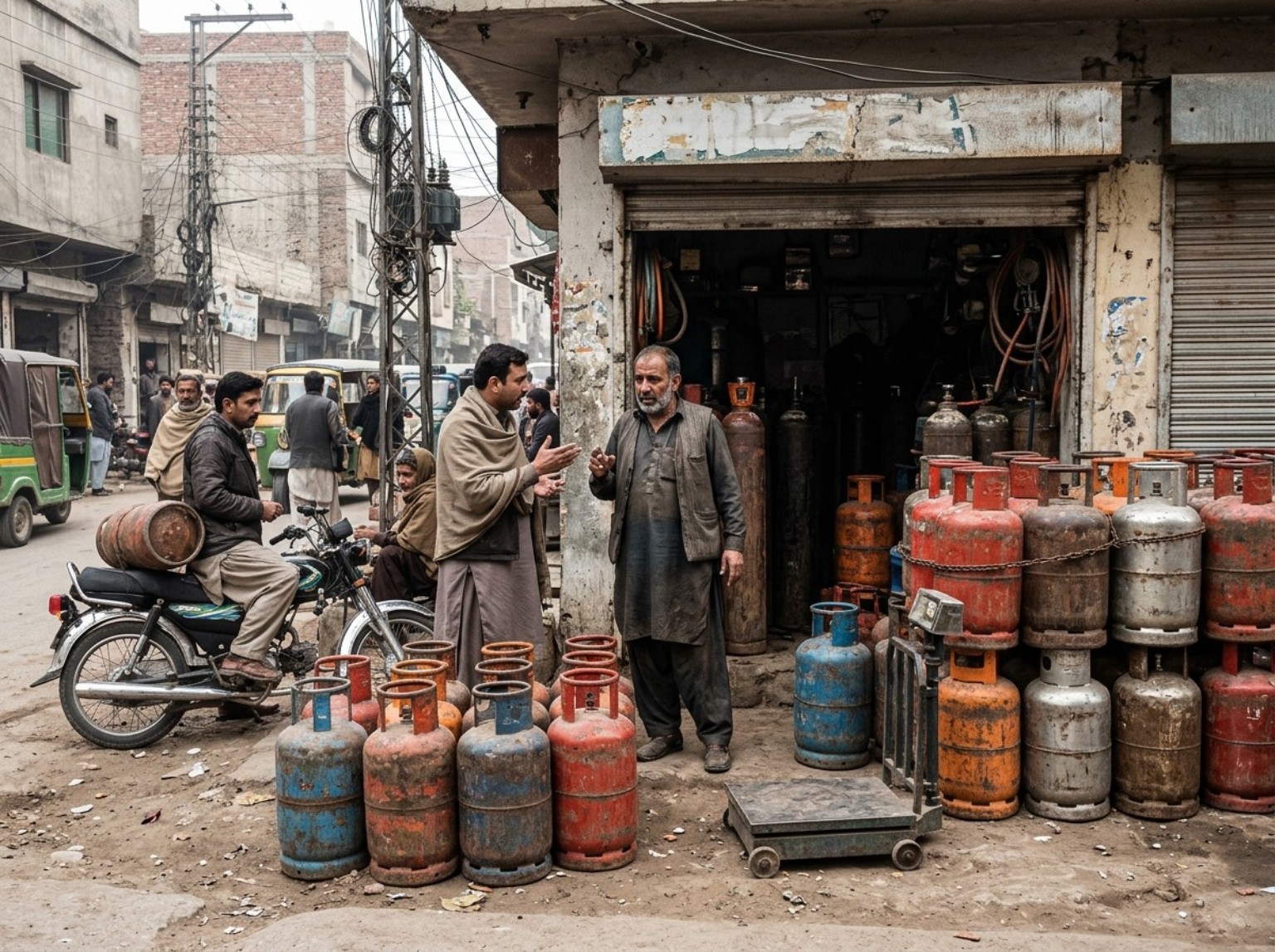
Liquefied Petroleum Gas (LPG) has become an essential source of energy for millions of households, restaurants, commercial establishments and industries across Pakistan. In areas where natural gas is unavailable or supply remains unreliable, LPG is not a luxury, it is a basic necessity. However, when LPG prices rise sharply, the impact is felt directly by ordinary citizens, small businesses and low-income families already struggling with the rising cost of living.
One of the major concerns facing Pakistan’s LPG market is the disruption of supply routes, particularly when border closures, restrictions on cross-border trade and delays in transportation affect the movement of LPG and related supplies. Pakistan relies on both domestic production and imports to meet its LPG demand. Any interruption in the supply chain can create shortages in local markets, increase transportation costs and put upward pressure on prices.
Border restrictions can have a significant impact on markets that depend on cross-border movement of goods. When supplies are delayed or transport routes become unavailable, distributors may face higher procurement and logistics costs. These additional expenses can eventually be passed on to consumers. However, border closures alone do not explain every price increase; international energy prices, exchange-rate movements, local production, import costs, taxes, transportation and market practices also influence the final price of LPG.
Another concern is the role of restrictions and administrative barriers affecting the movement, storage and distribution of LPG within the country. Where legitimate transportation and distribution are obstructed, supply may become concentrated in fewer hands, increasing the risk of regional price differences and shortages. Such conditions can create opportunities for hoarding, unauthorized trading and excessive profiteering. The result is a market in which consumers may pay considerably more than the officially notified or reasonably justified price.
The government and relevant regulatory authorities must therefore distinguish between necessary safety controls and unnecessary restrictions that disrupt the lawful movement of LPG. Safety regulations are essential because LPG is a highly flammable fuel. Proper licensing, approved storage facilities, safe transportation, equipment inspections and compliance with technical standards must never be compromised. However, regulations should be implemented transparently and consistently so that legitimate businesses can operate without avoidable delays and consumers can access fuel at reasonable prices.
The Oil and Gas Regulatory Authority (OGRA), provincial administrations, customs authorities and other relevant departments have an important role in monitoring the market. Regular publication of official prices, transparent information about domestic production and imports, and effective checks against hoarding can help restore public confidence. Authorities should also examine unusual price differences between regions and investigate complaints of overcharging, illegal storage and artificial shortages.
At the same time, Pakistan needs a more resilient LPG supply chain. This requires reliable import arrangements, improved storage infrastructure, efficient transportation, better coordination between regulators and industry, and policies that encourage investment in safe LPG distribution facilities. Where border restrictions are necessary for security or other legitimate reasons, authorities should assess their economic consequences and consider lawful measures to minimize avoidable disruption to essential energy supplies.
Public awareness is equally important. Consumers should check applicable official prices, demand receipts where available, and report suspected overcharging to the relevant authorities. They should purchase LPG only from authorized dealers and avoid unsafe cylinder filling, illegal decanting and unapproved equipment. Saving a small amount through unsafe practices can expose entire families and communities to fire, explosions and serious injury.
LPG is an essential energy resource, and its affordability affects household welfare, small businesses and national economic activity. Pakistan needs a balanced approach that protects national security, maintains strict safety standards, facilitates legitimate trade and prevents market manipulation.
The message is clear: safe LPG supplies, transparent pricing and uninterrupted lawful distribution must remain public priorities. Border restrictions and administrative barriers should be managed responsibly, while hoarding, profiteering and unsafe practices must be addressed through effective enforcement. Affordable energy is not merely a commercial concern, it is a matter of public welfare and economic stability.
